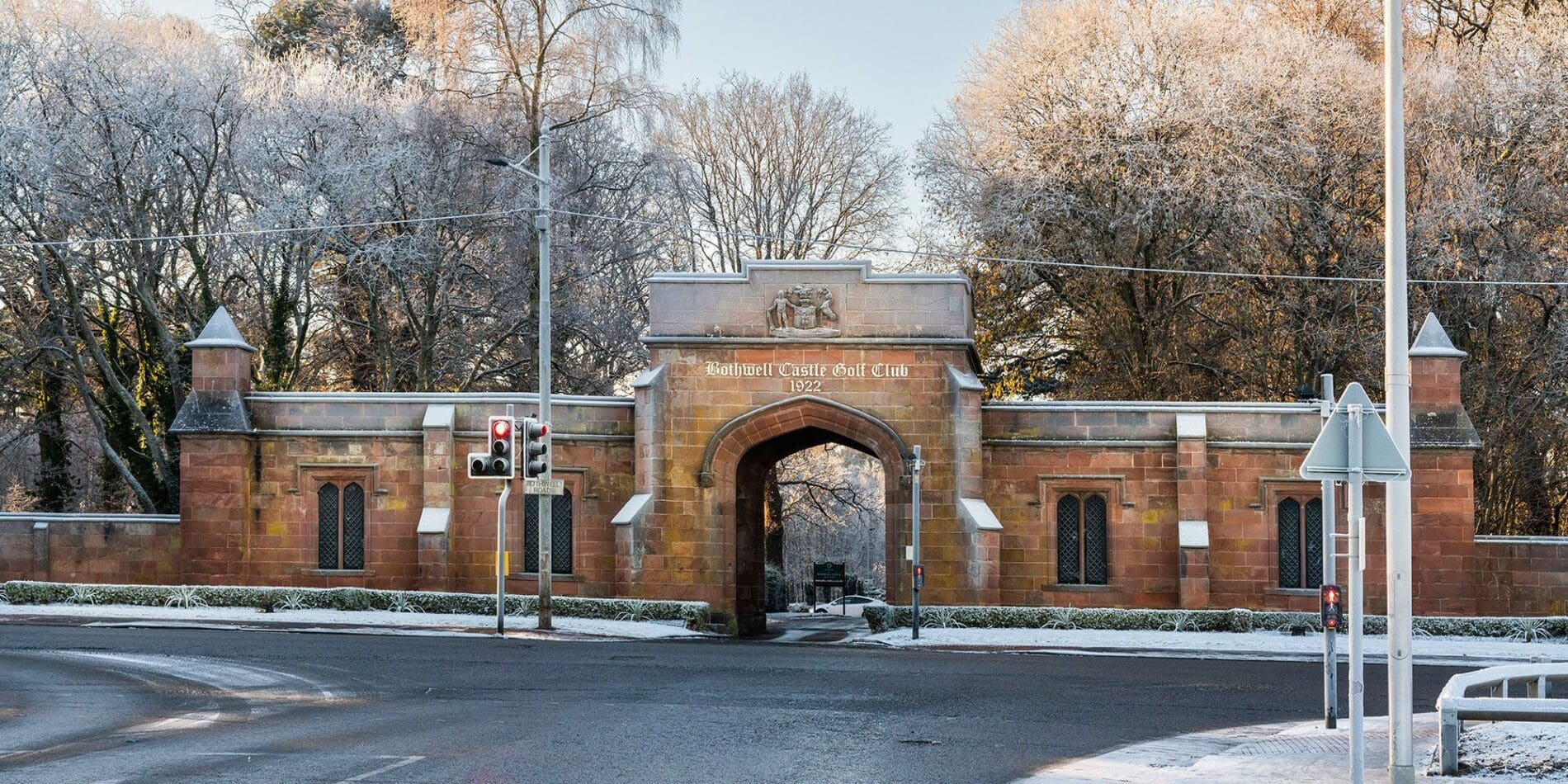
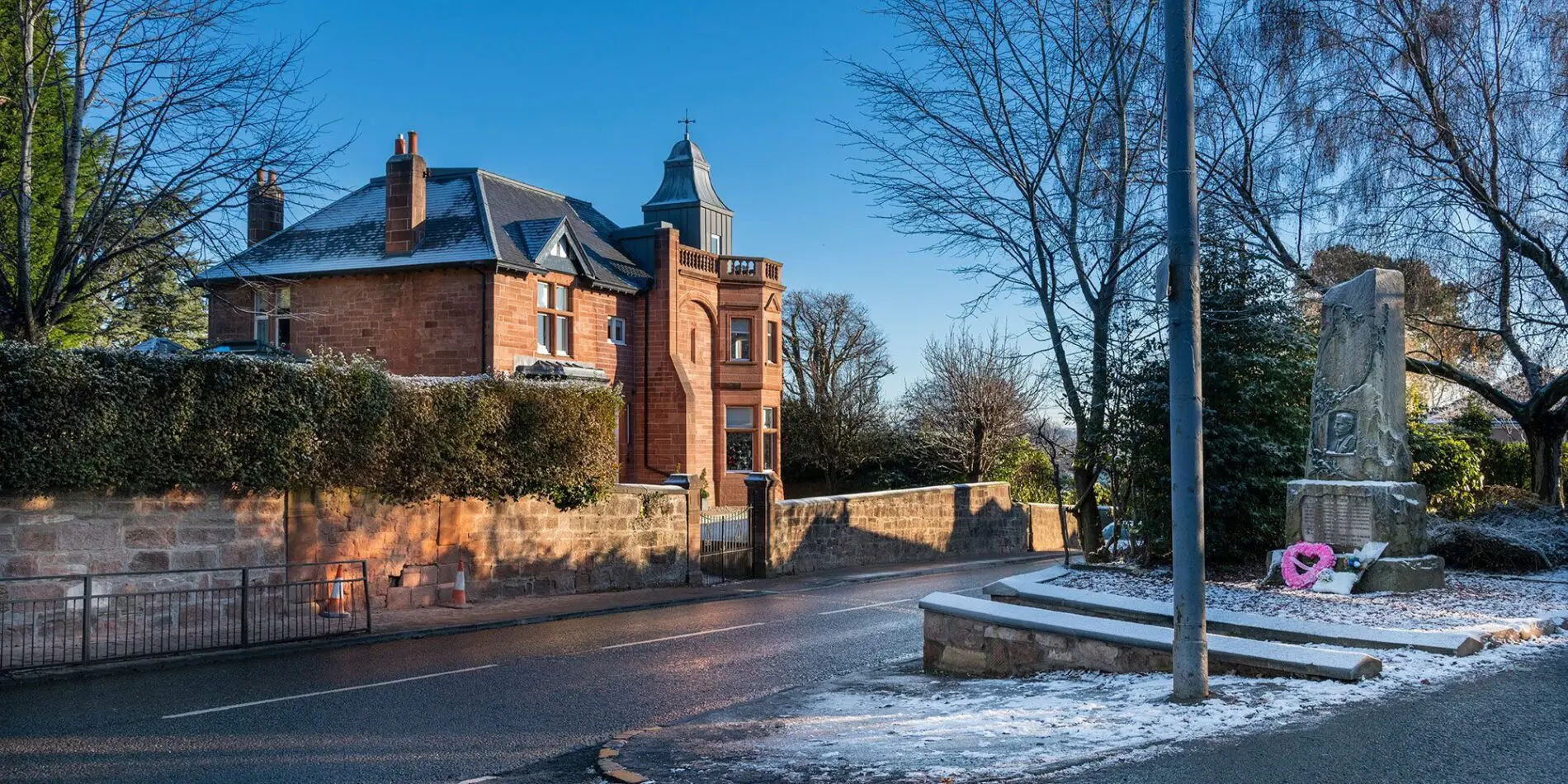
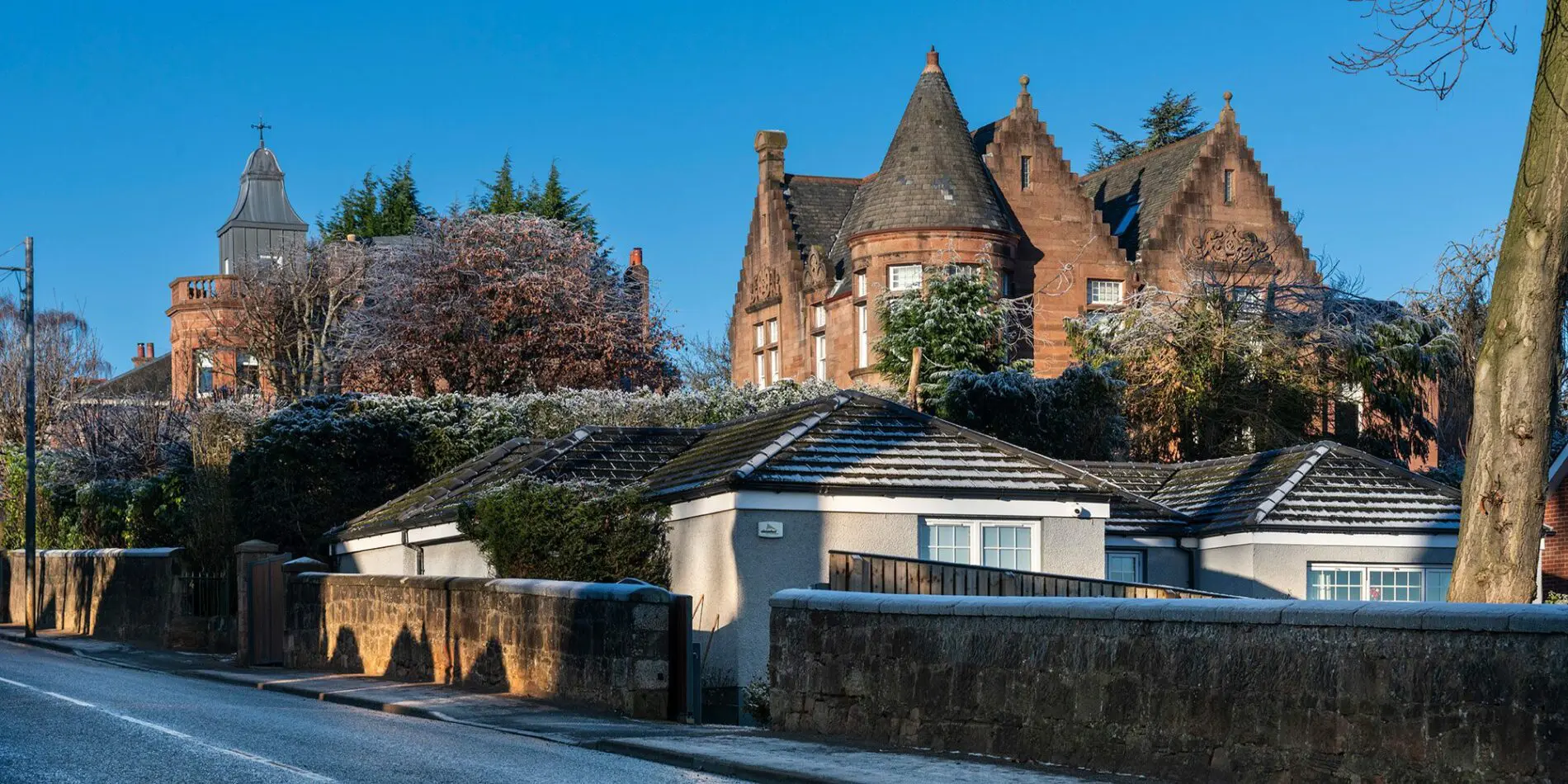
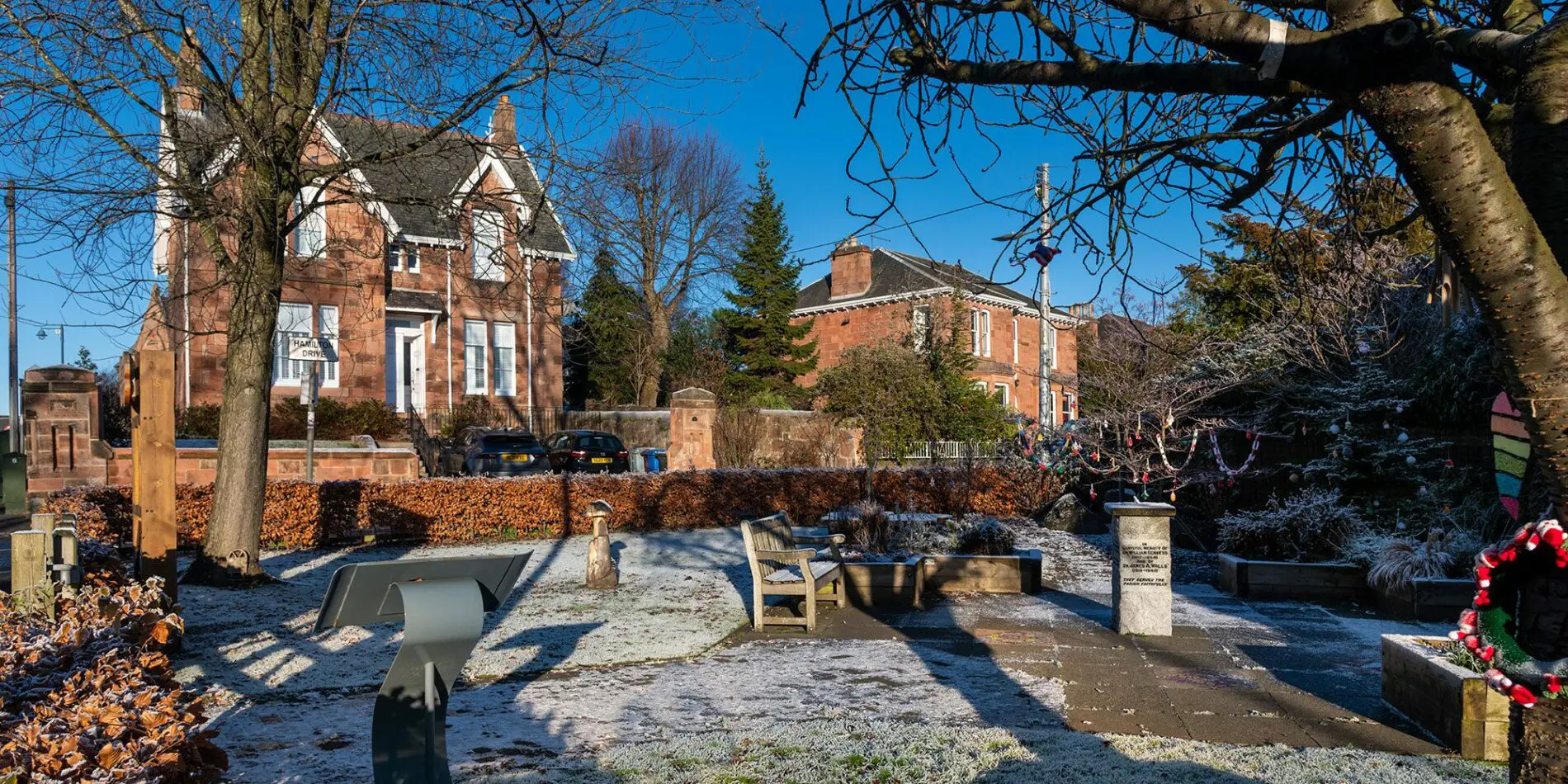
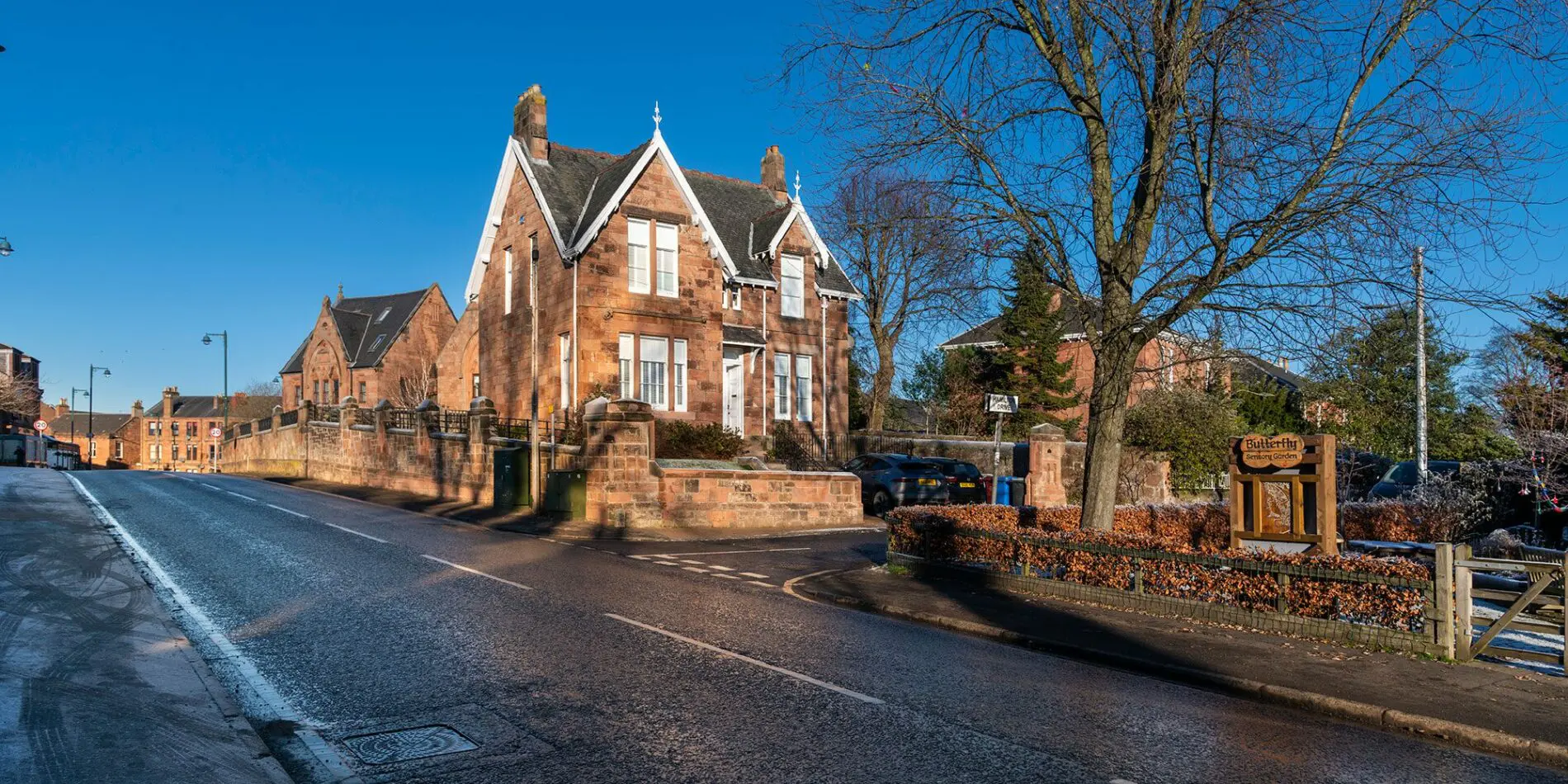
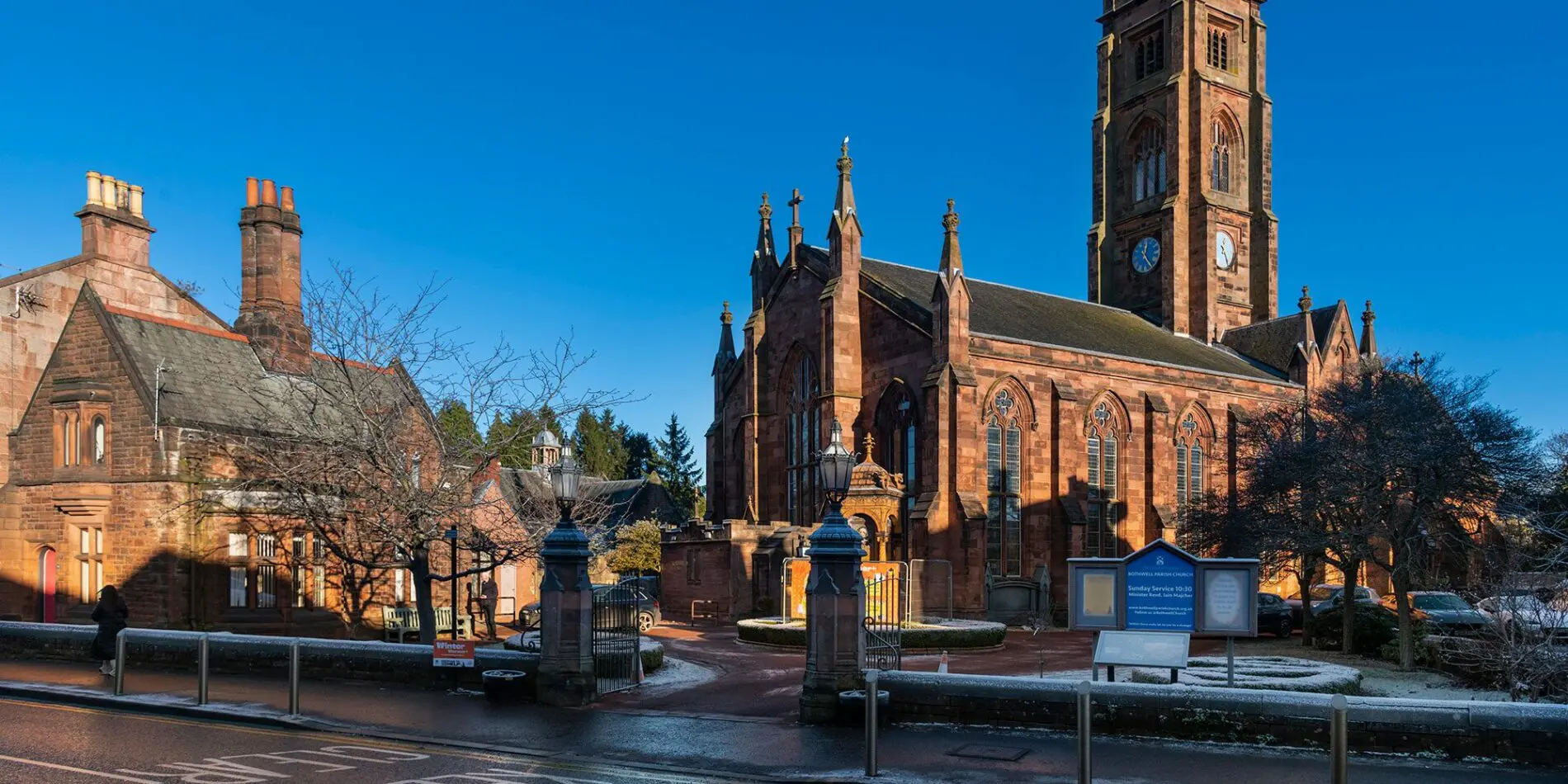
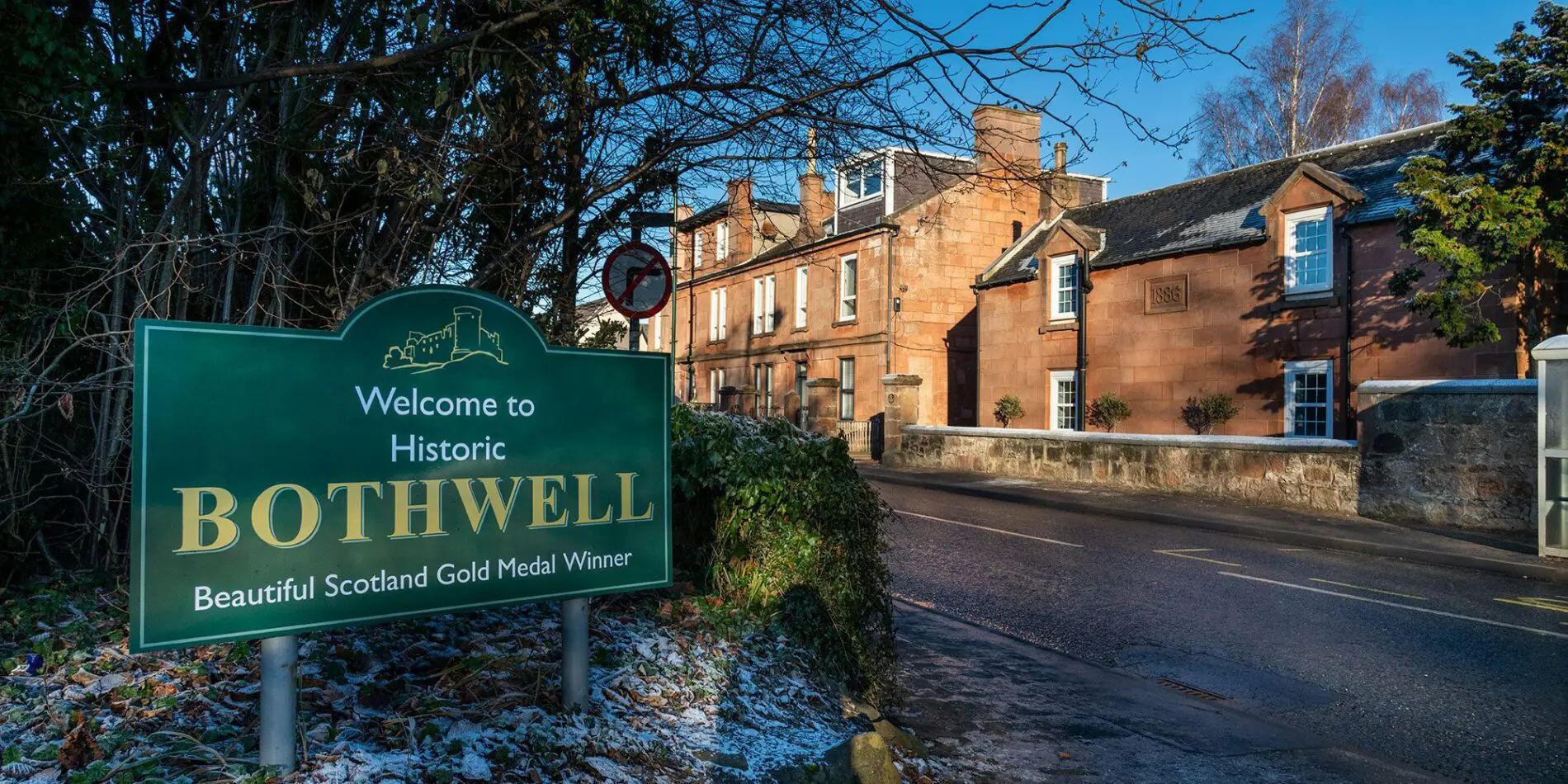
Bothwell is a pleasant village within a conservation area and home to Bothwell Castle - Scotland's largest and finest 13th century castle. The village of Bothwell has a number of category 'A' listed buildings including Bothwell Castle, Bothwell Bridge and Bothwell Parish Church.
Bothwell Castle is Scotland's largest and finest 13th century castle and is operated by Historic Scotland. Bothwell Castle is a great family day out and take time to walk along the adjacent Clyde Walkway right by the River Clyde and experience the wildlife by the river.
The origin of the name Bothwell is unclear and there have been various theories, but it is thought to be that it comes from the Gaelic for either 'dwelling by the river' or 'castle on the outcrop'. The Bothwell Estate was passed by marriage from David Olifard to Walter de Moravia or Moray in the early 13th century who then built Bothwell Castle in the latter part of the century.
His tomb lies in Bothwell Parish Church. The castle changed hands between the Scots and the English many times in the 14th century, falling into disrepair. The third Earl of Douglas, Archibald "The Grim" restored the castle in 1362 but it was passed to the Crown in 1455 and then to the Red Douglas family in 1492.
In 1669 the first Earl of Forfar, Archibald Douglas built a Palladian-style mansion in the castle grounds using stone from the castle. It was demolished in 1930. Overlooking the Raith roundabout is Bothwell Castle Mansion, built in 1750 as a dower house. It may have been designed by one of the Adams brothers as it shows their style, but this is unproven.
In 1398 Archibald the Grim also built the Collegiate Church of St Bride, on the foundations of an old Norman church, although the site was an early Celtic place of worship. The church's choir was dedicated to St Bride, patron saint of the Black Douglas family. Built in the emerging Gothic style it has stone barrel vaults rather than wood to utilise the area's abundance of stone.
Bothwell's history lies in agriculture with rich soil and clement weather. The worst parts of the Industrial Revolution bypassed the village. Weaving was popular in the 18th century, and most was done at home. Merchants from Glasgow would bring the weavers the raw materials then pick up the piece work when ready.
Bothwell Mill operated 90 power looms and brought about the demise of the home weavers. A new, bigger mill at Blantyre forced the Bothwell Mill to close and the Bothwell workers either crossed the Clyde to work in Blantyre or were employed building a wall round the Bothwell Castle estate in an attempt to keep poverty away from the area.
With the growth of Glasgow, based on tobacco, molasses and manufacturing, many merchants saw Bothwell as a greener, healthier place to live and they began to build houses. Bothwell was easily reached by coach as it lay on the main Glasgow to Carlisle route.
A large coal seam was discovered in Bothwell in the middle of the 19th century and miners came from all over Scotland and Ireland looking for work.
Two miles away Bothwellhaugh was a sleepy dairy farming community until coal was discovered. Two pits were opened, and two phases of colliery houses were built. Both pits were open until 1959 and the final villagers left in 1965. The houses were demolished, and the area became part of Strathclyde Park in the early 1970s.