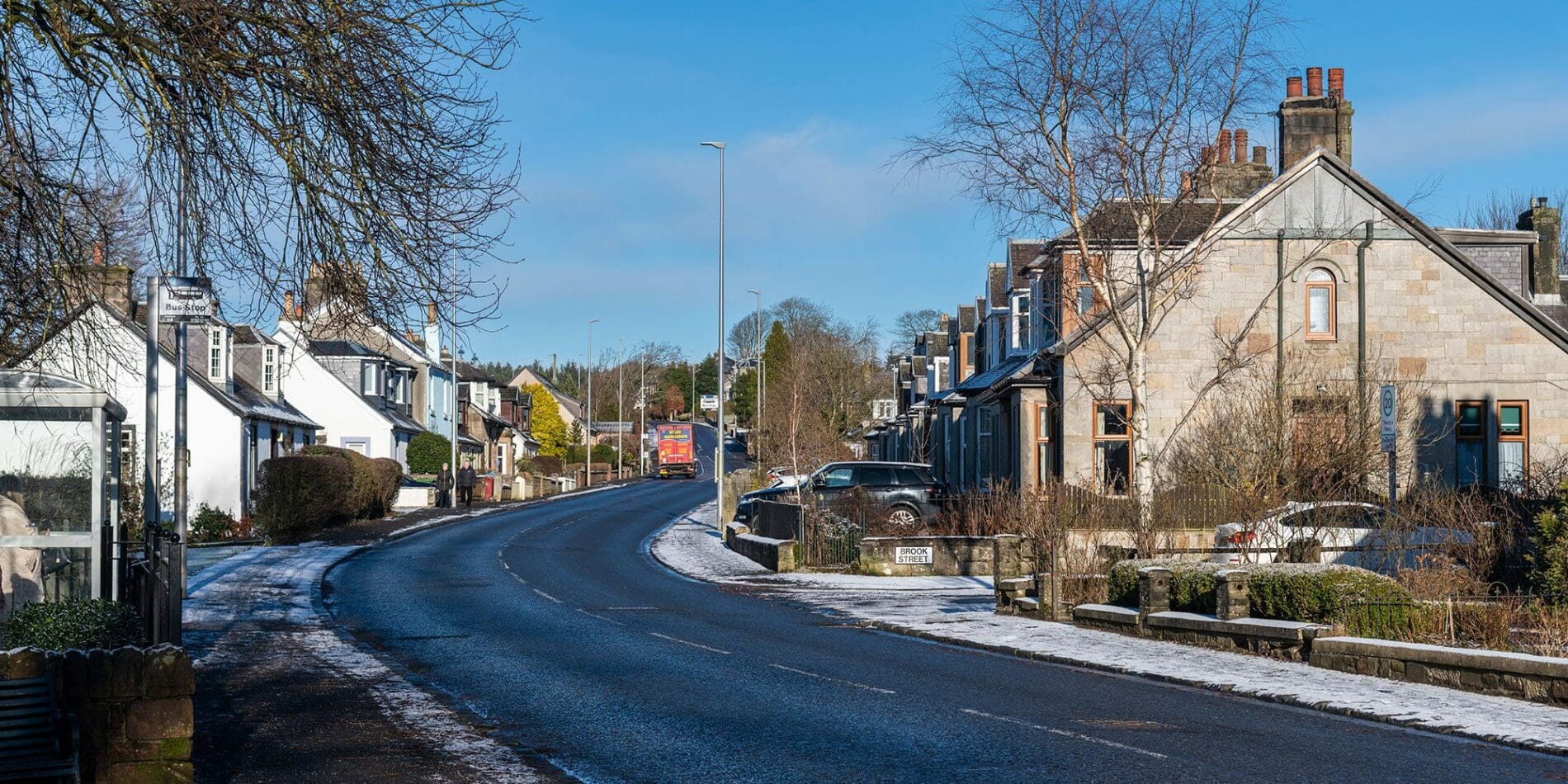
The historic market town of Strathaven - pronounced Stray-ven is located in the Avon Valley in rural Lanarkshire, surrounded by prime farmland, Strathaven is particularly picturesque and at its core is a conservation area, making it feel more like a country village than a bustling town.
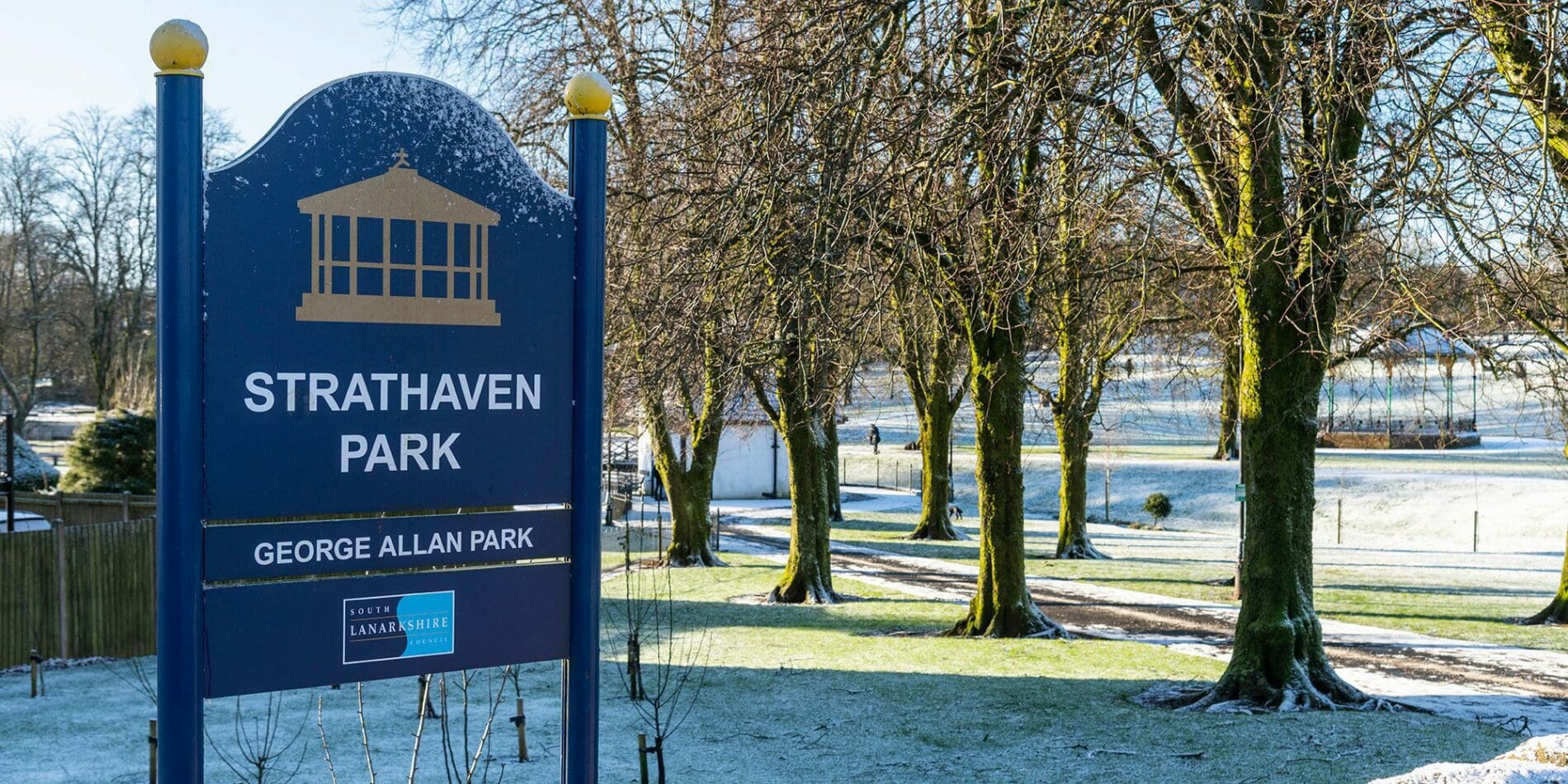
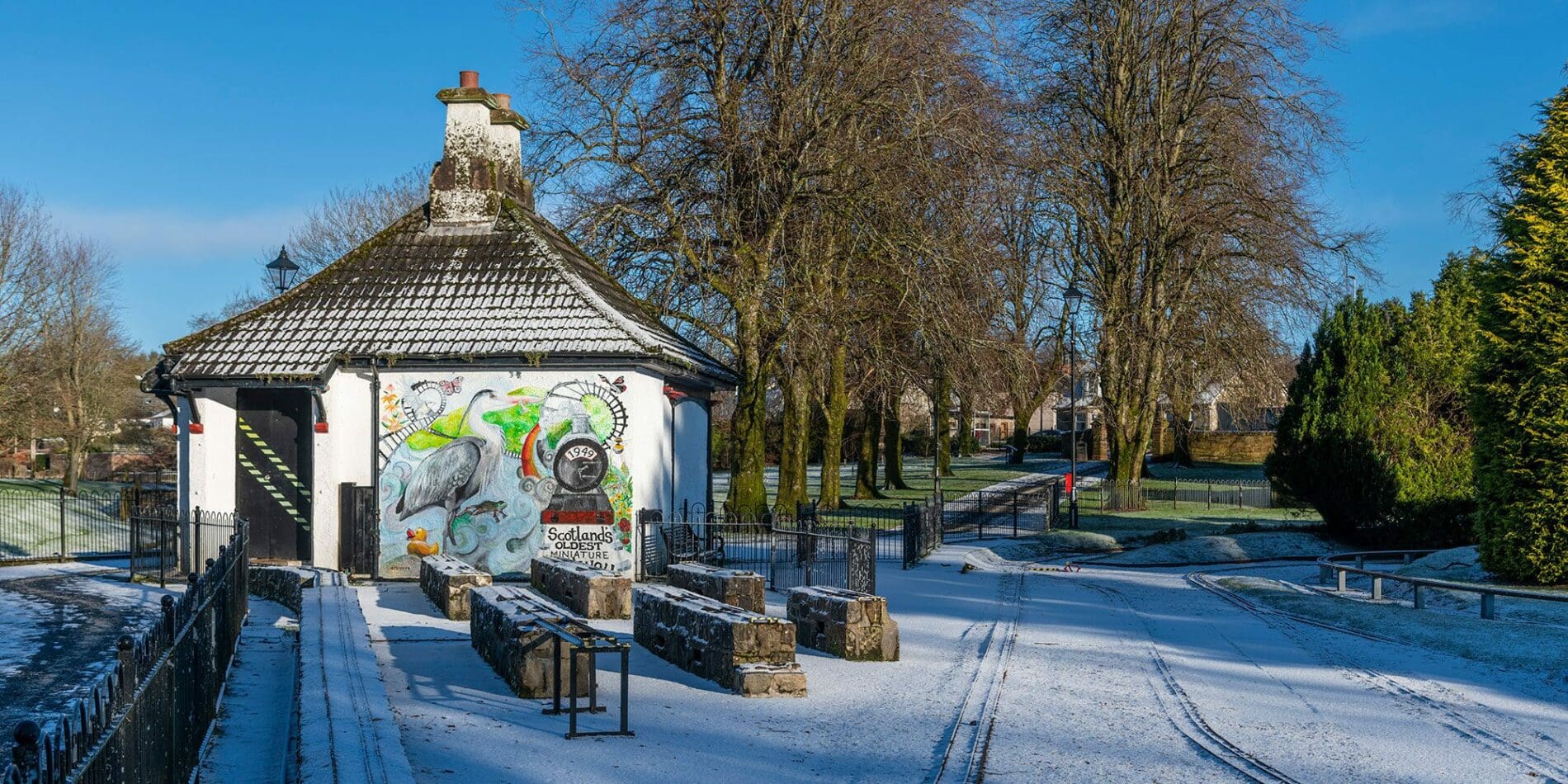
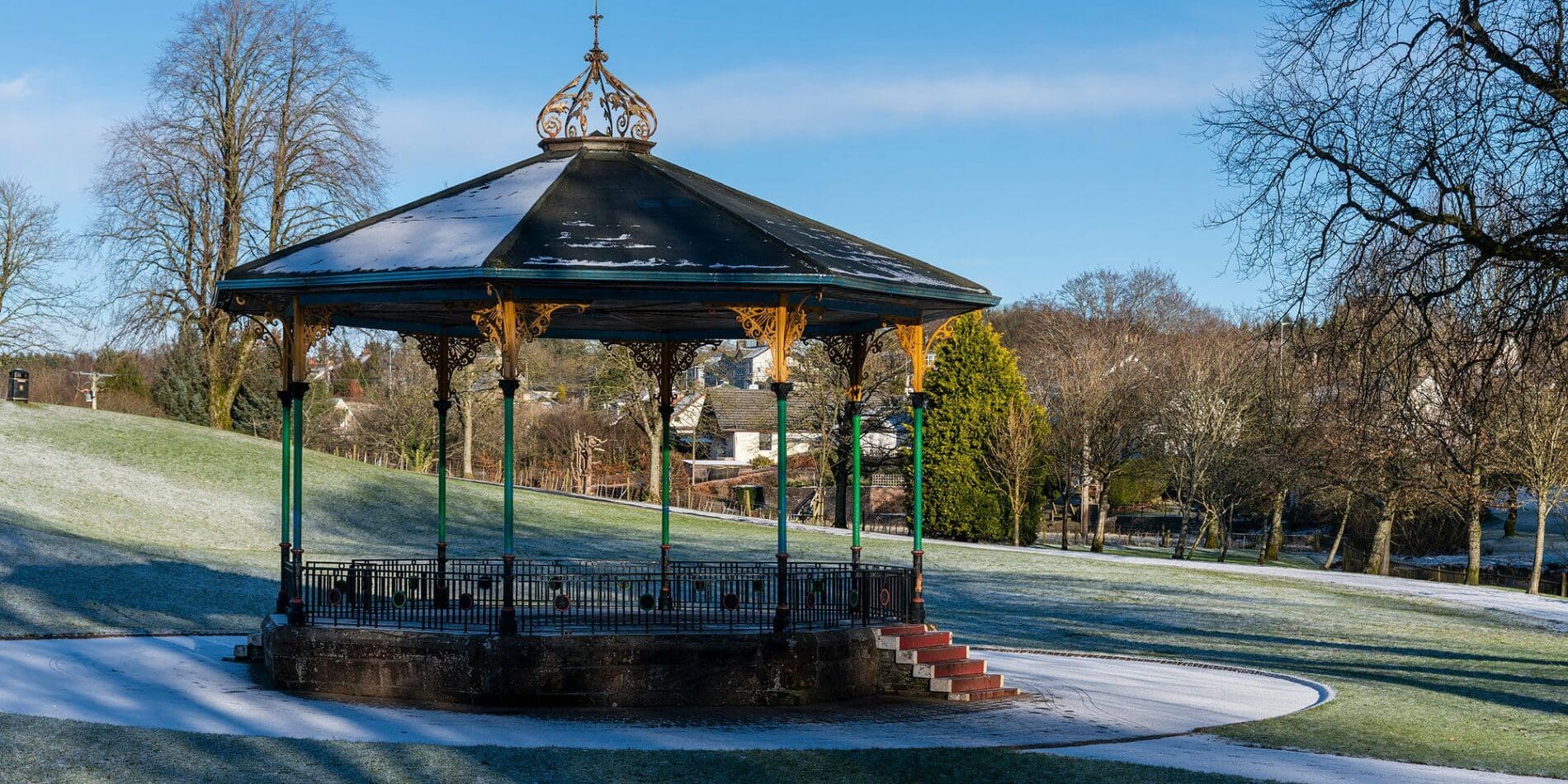
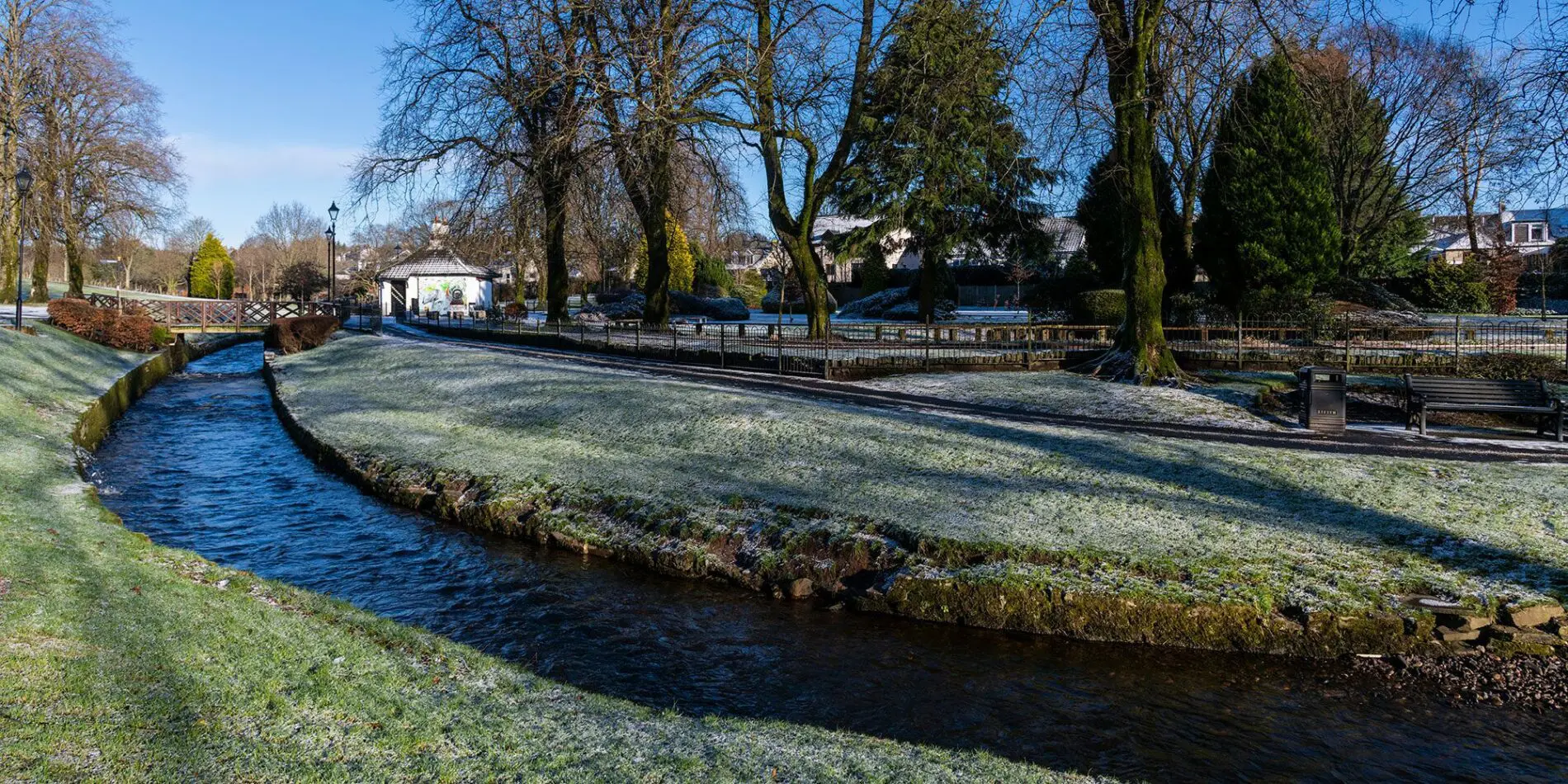
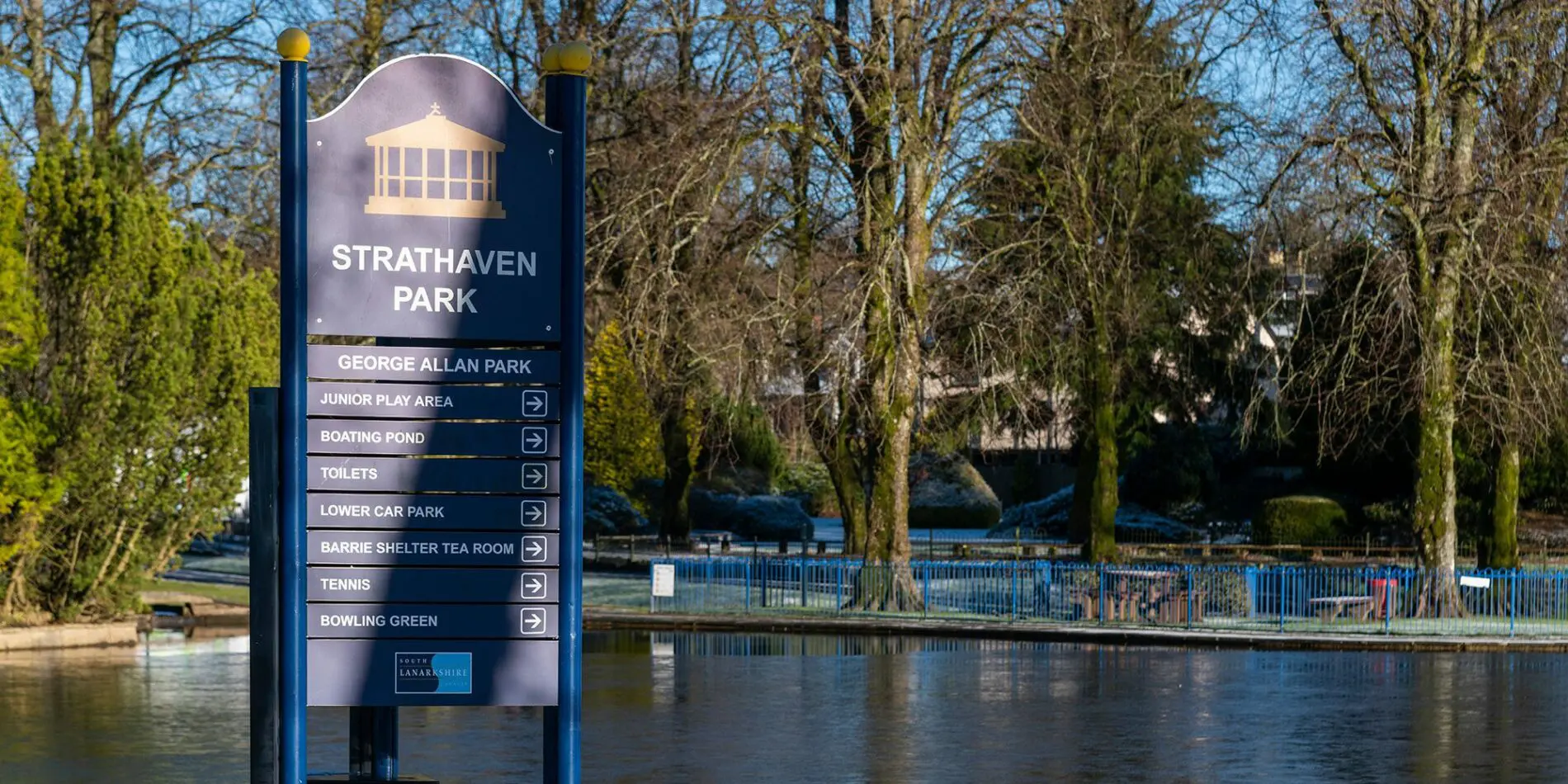
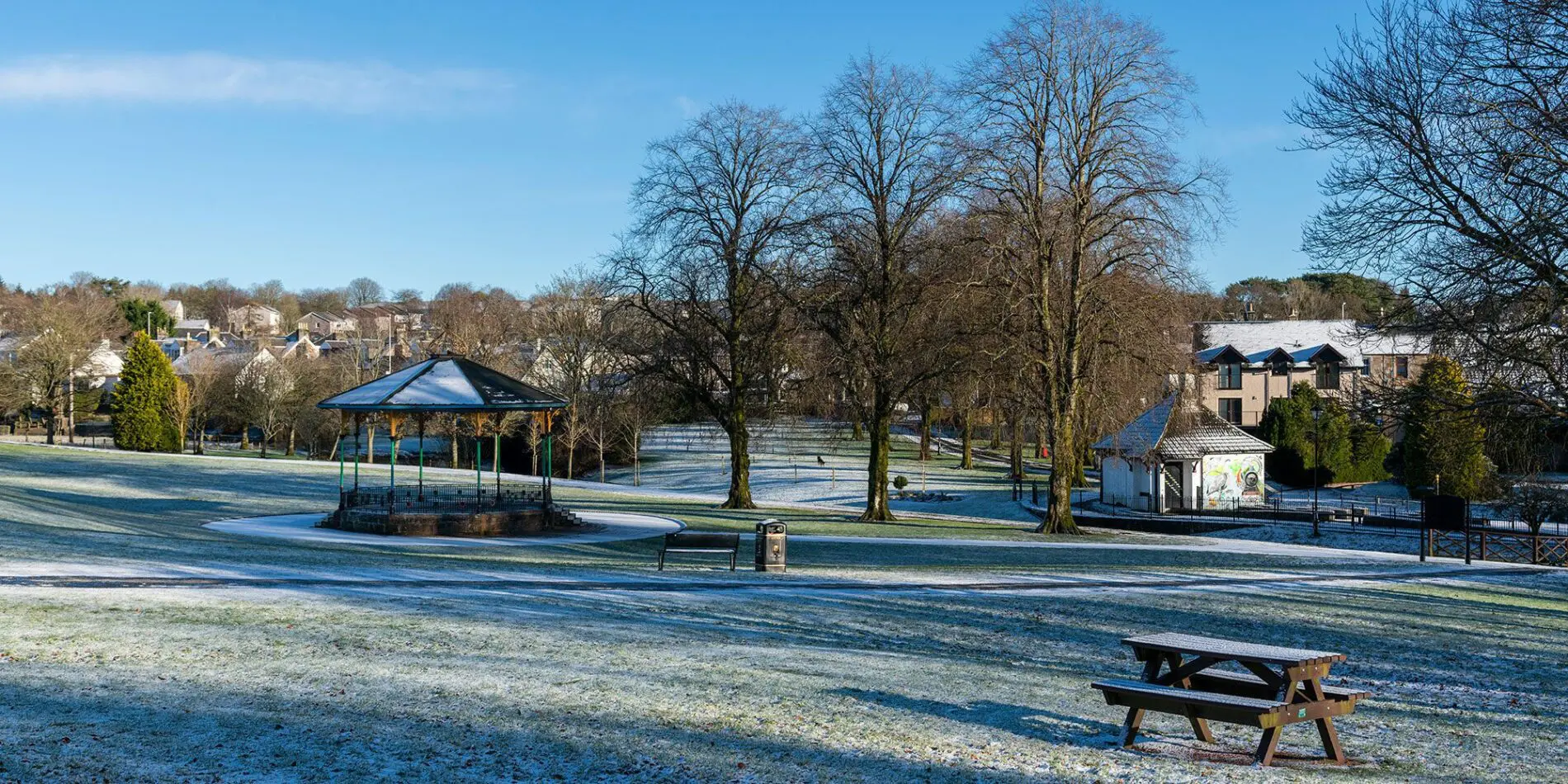
Strathaven Park has everything from bowling, putting, play areas, and paddling pools, to a boating pond, tennis courts and a famous wee train. Strathaven is also home to Scotland’s only annual Hot Air Balloon Festival.
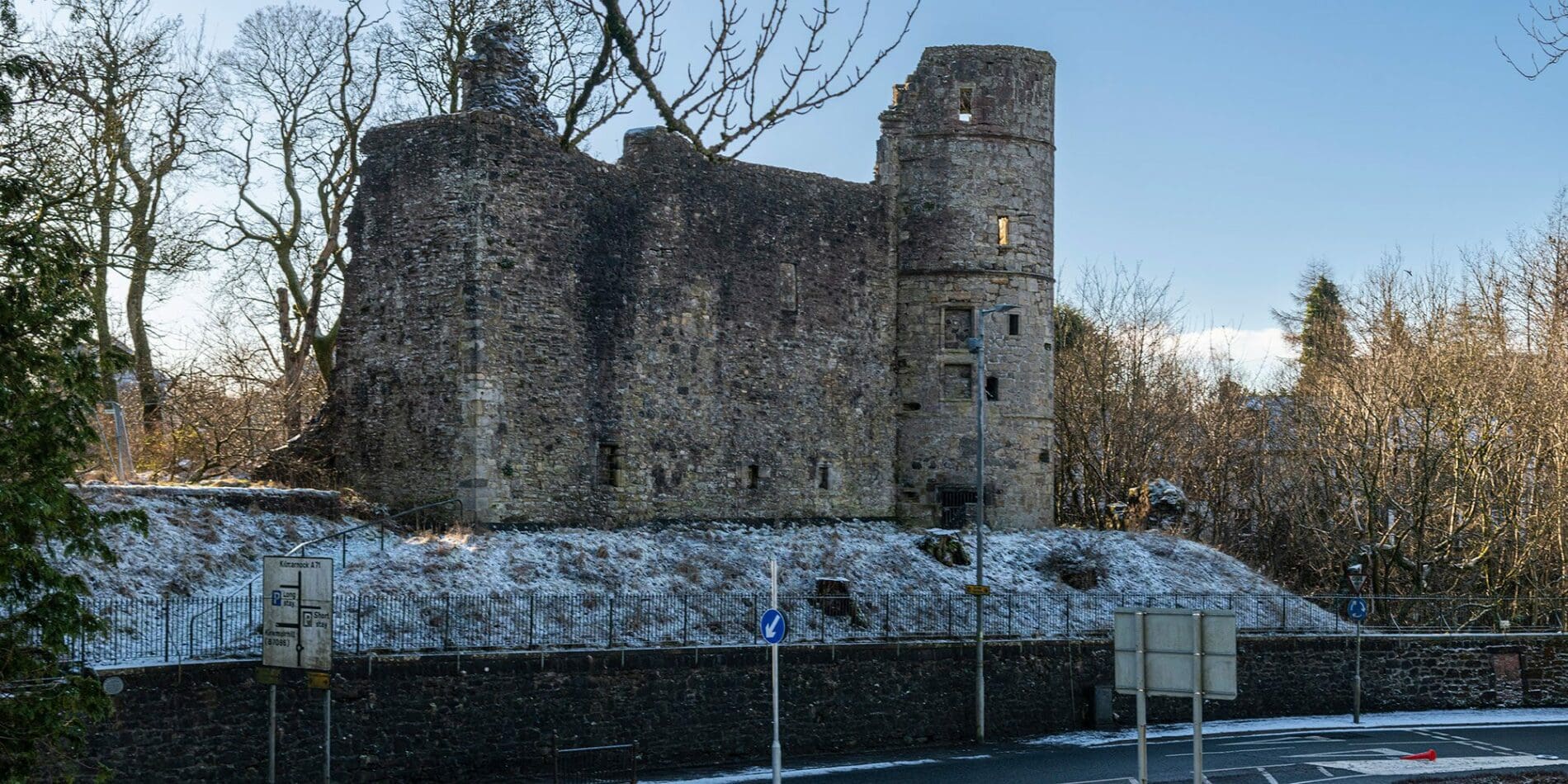
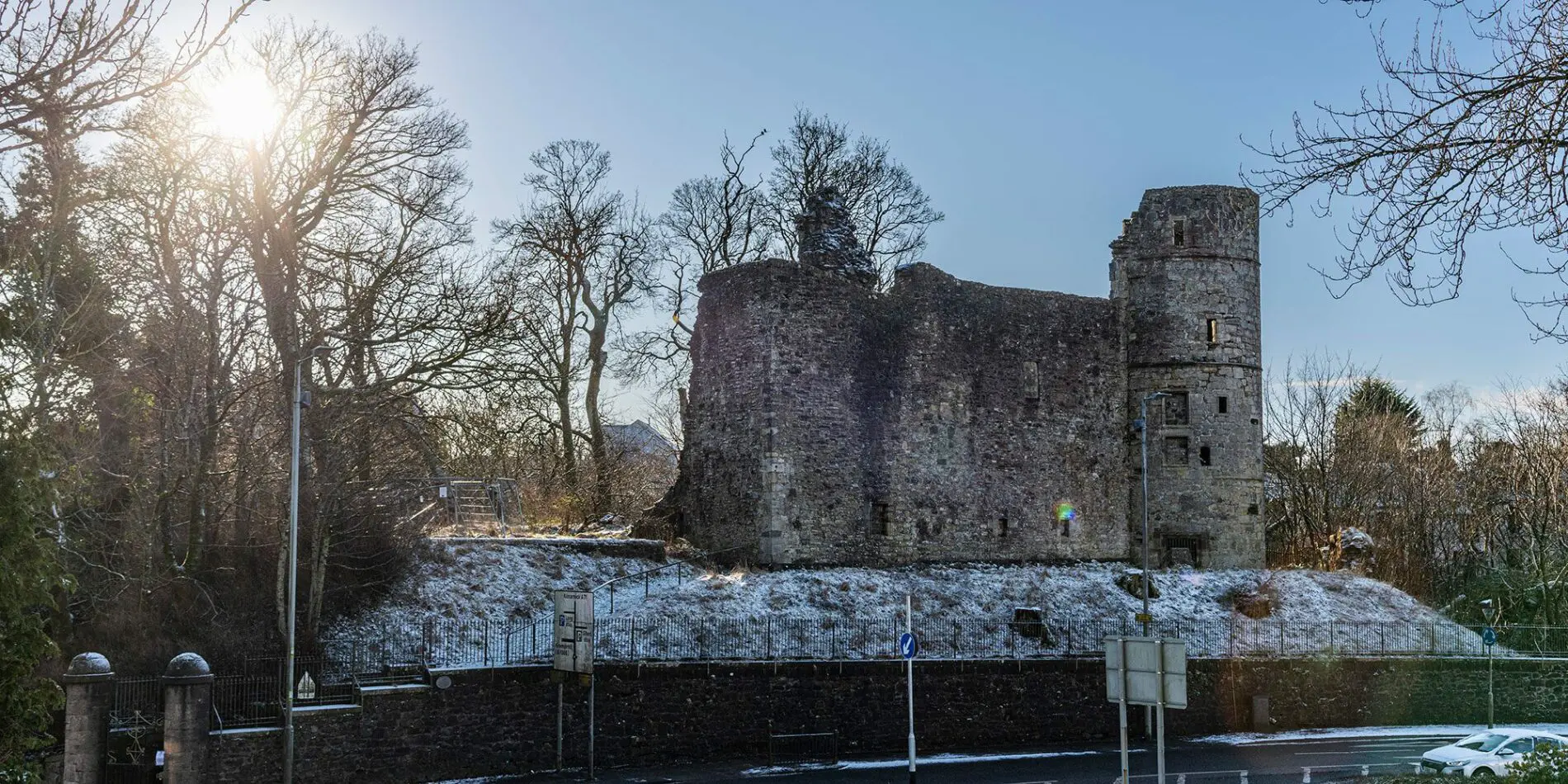
Strathaven Castle is also known as Avondale Castle, the ruin and mound is now a Scheduled Ancient Monument. There has been a castle on the site since the 13th century and the Castle ruins, according to local legend, is home to the ghost of the White Lady.
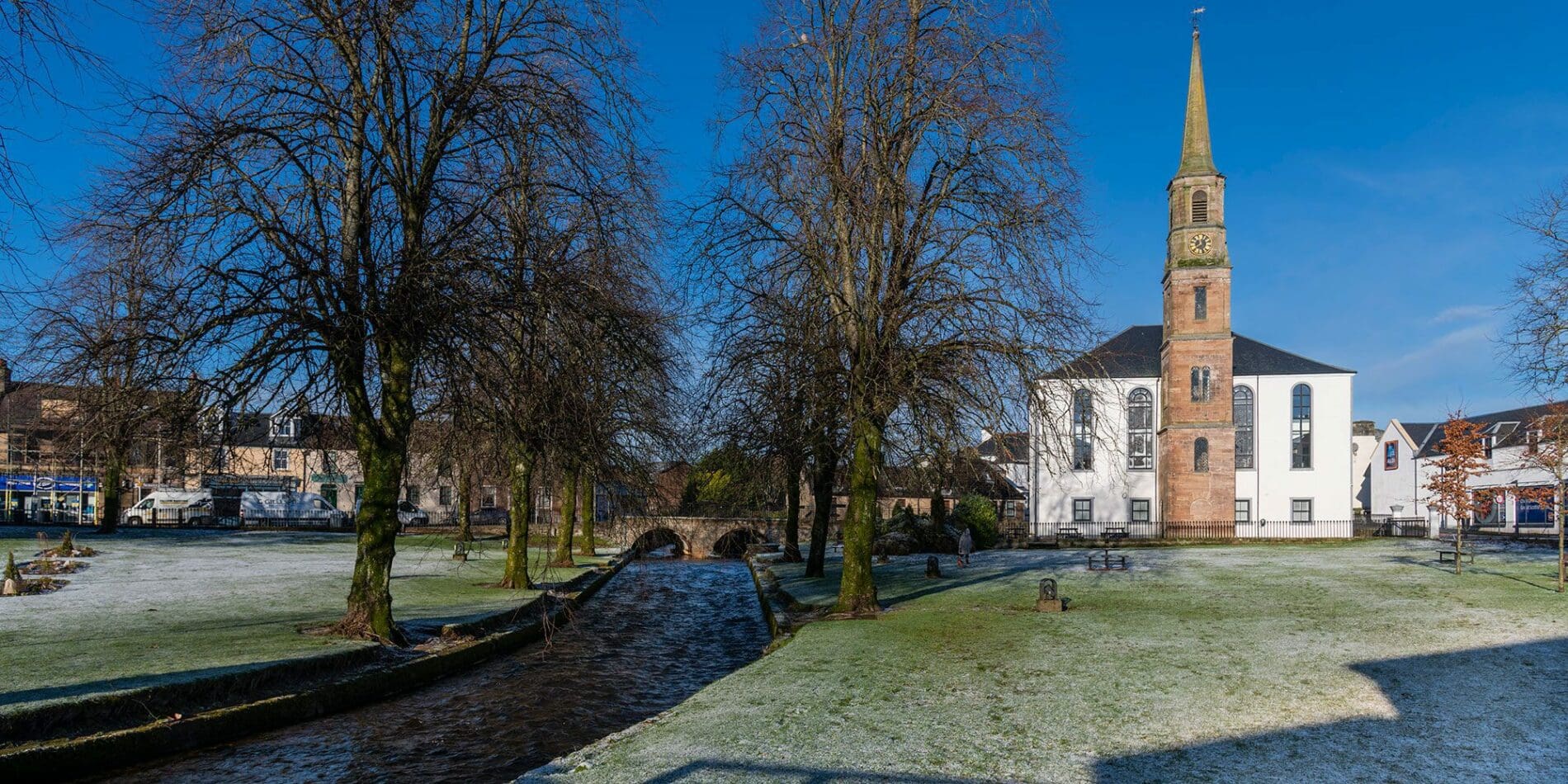
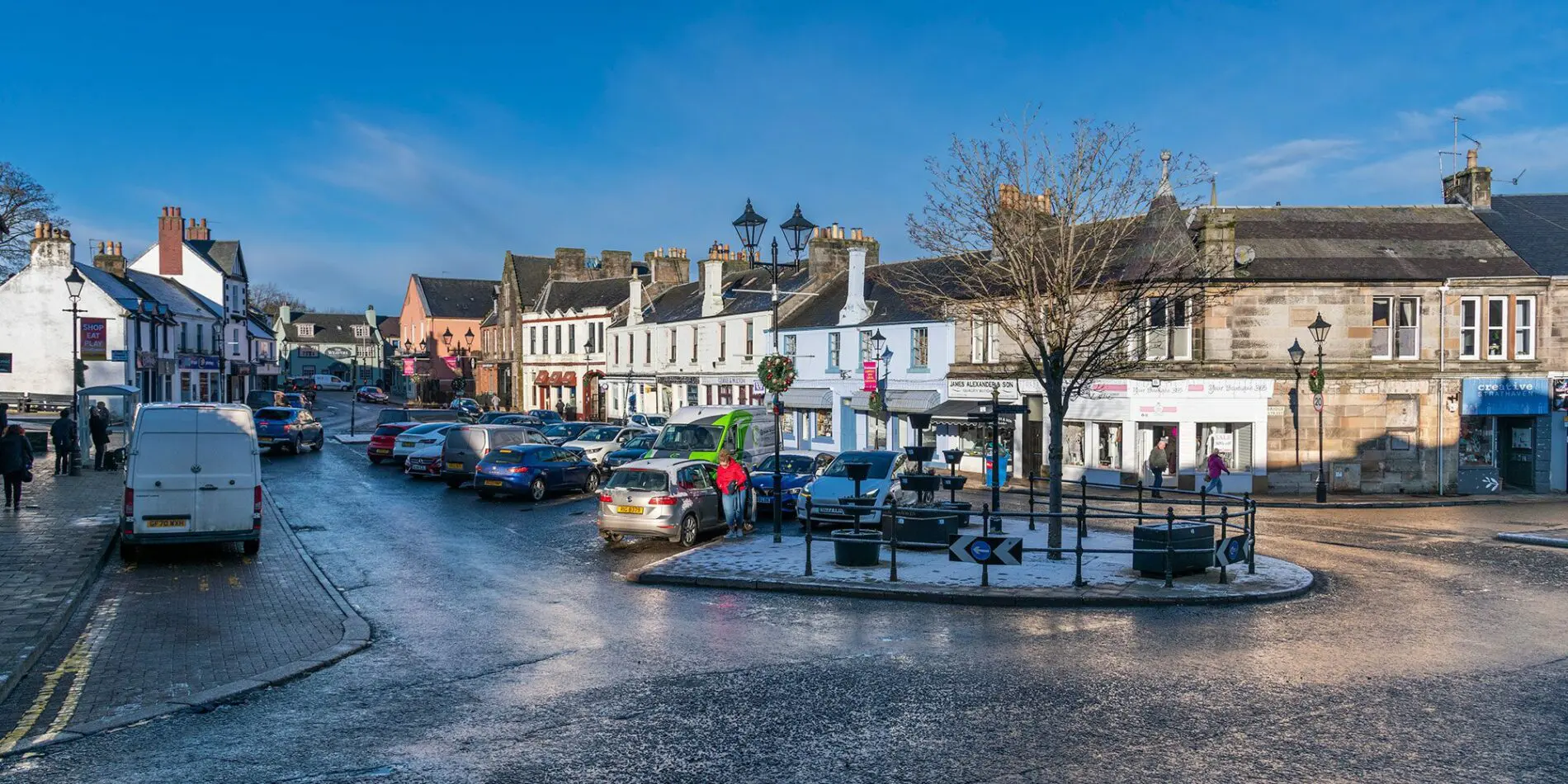
The town's focal point is the attractive area, known as Common Green, where markets were once held. Strathaven has a fascinating mix of shops, coffee houses and a variety of fine restaurants, and pubs as well as the Strathaven Hotel, an imposing country house hotel, designed by Robert Adam Jr in the 18th century.
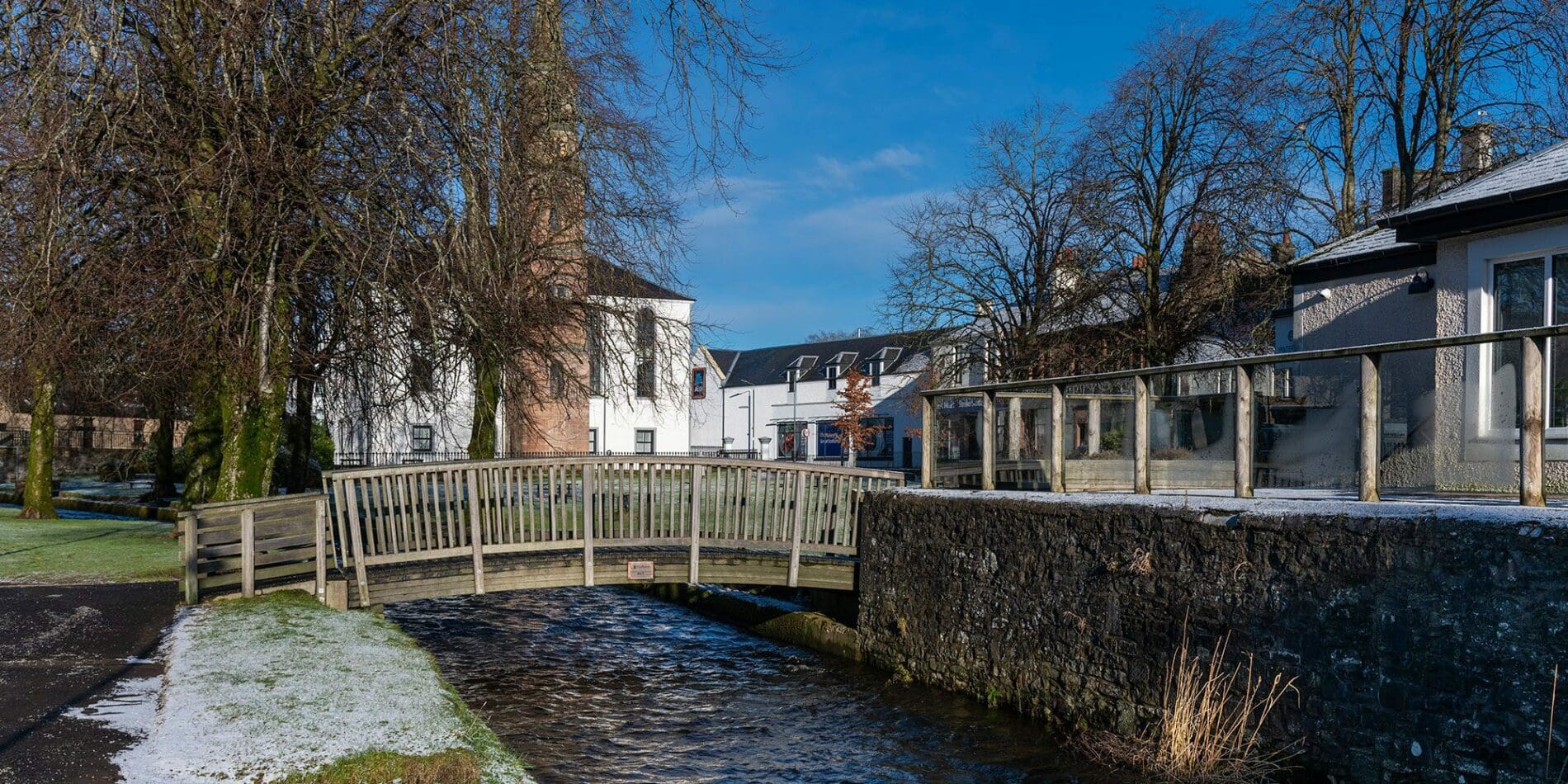
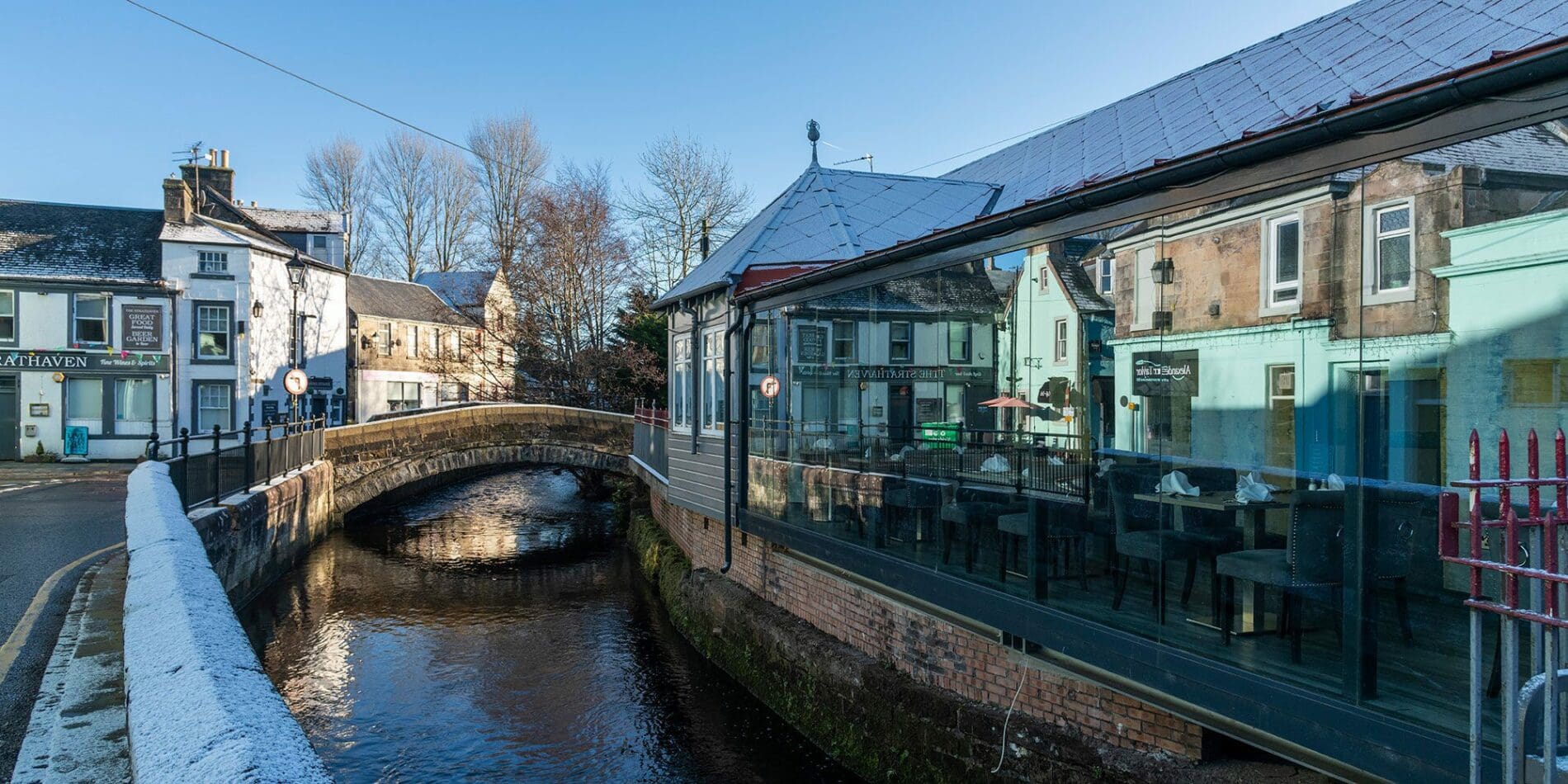
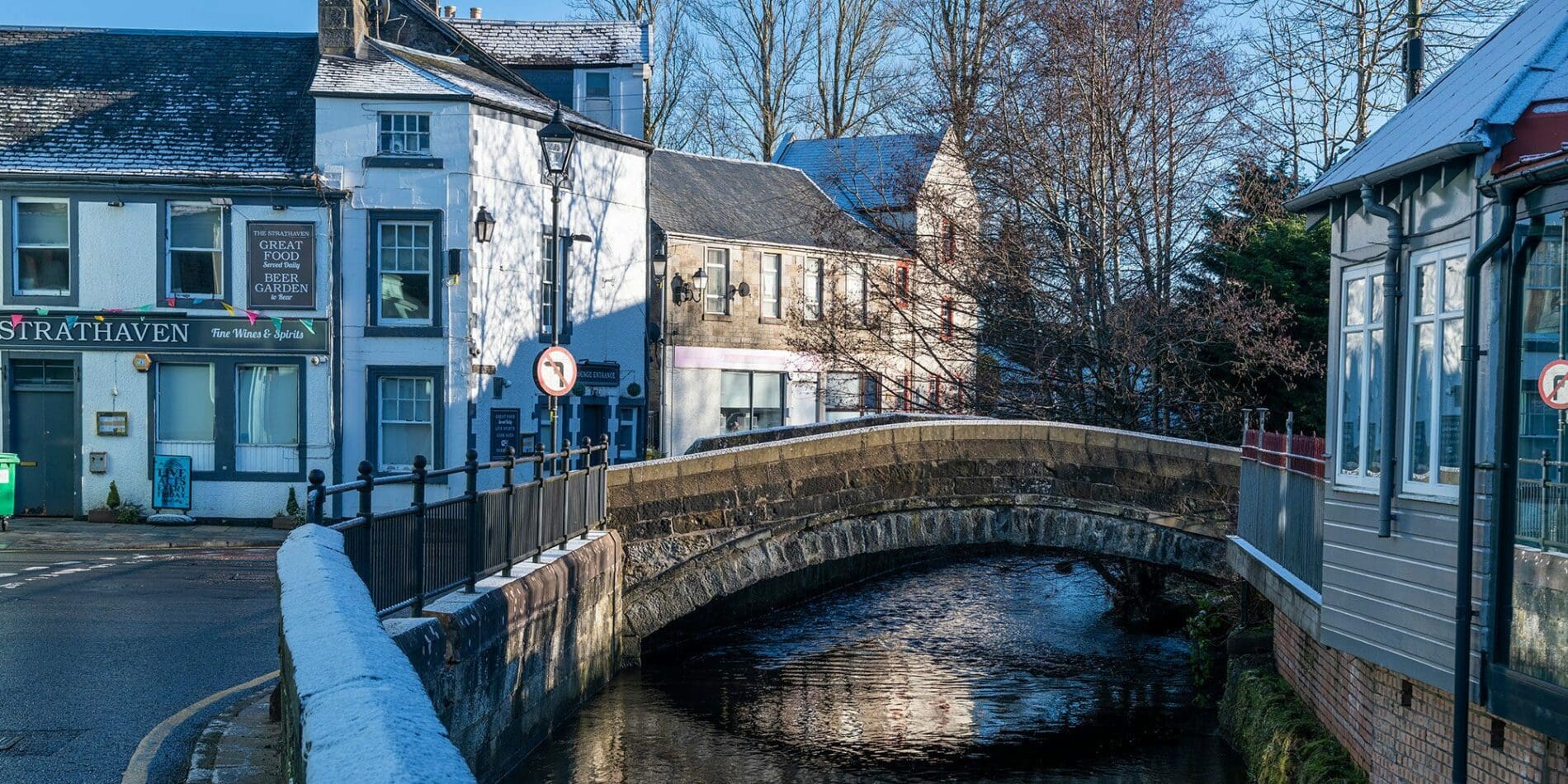
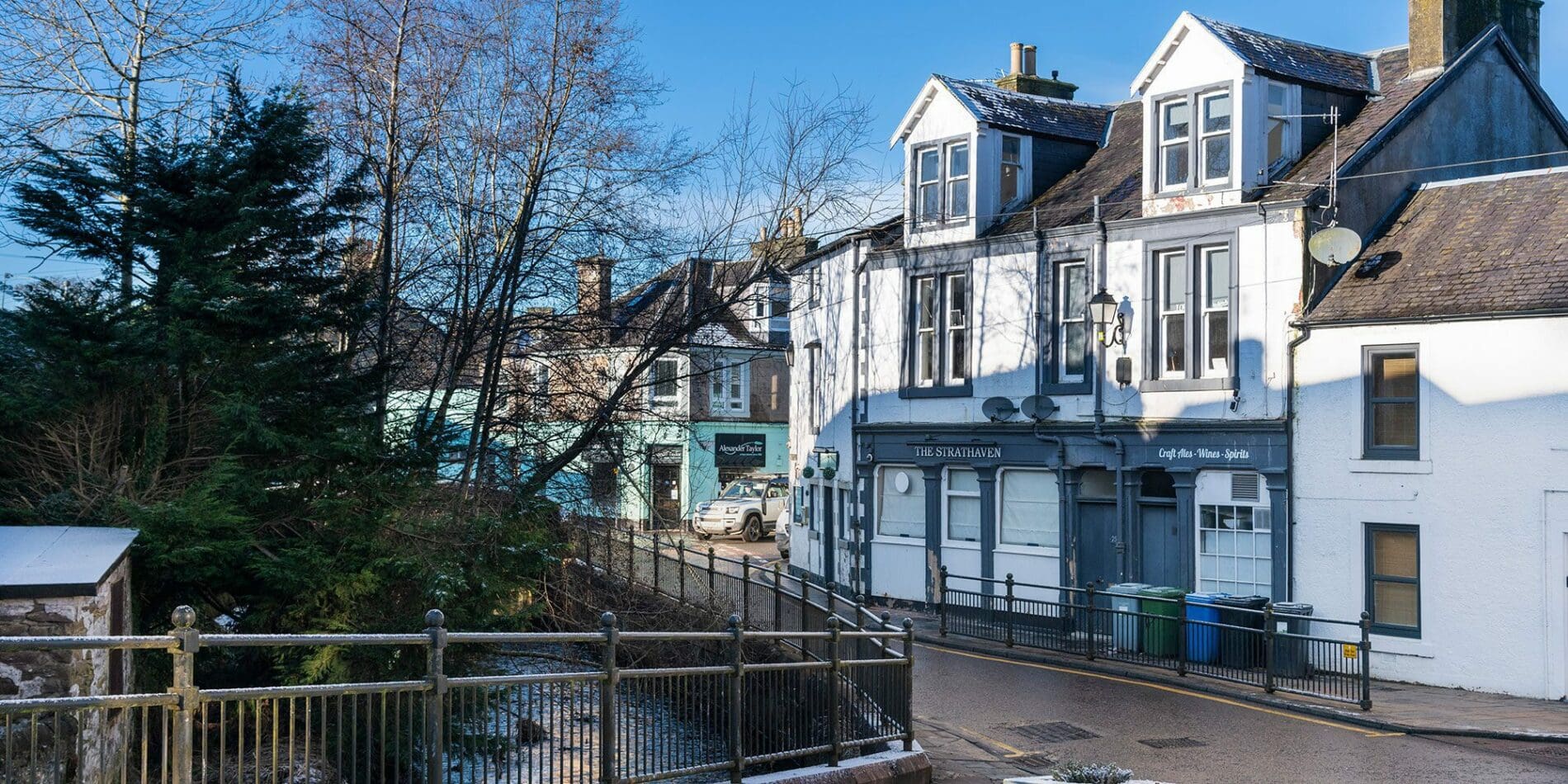
The name Strathaven comes from the Celtic words Strath (valley) and Avon (river or stream). Strathaven is a historic market town on the banks of the Powmillon Burn, which is crossed by the picturesque Boo-Backit Brig that flows into the Avon Water about a mile downstream. Strathaven was awarded burgh status over five hundred years ago, in 1450.
The town was an important coaching stop in the days when coaches ran from Ayrshire to Edinburgh. The original parish church was built in 1001 but was pulled down in 1772 when the present one was built. It has a quaint tower topped by a cupola and weathervane, and the clock mechanism was installed in 1902 to replace one that had done its duty for 130 years.
After the Napoleonic wars, there was a lot of unrest. Corn Laws drove up the price of food and weavers had a rough time. In 1820 James Pearle Wilson and other Radicals took up weapons and marched to Cathkin but 'Pearly' was arrested and charged with high treason and hung at Glasgow Green. His body was dug up within a matter of hours and brought back to Strathaven. There is a monument in the town to him, which was erected in 1846 with the aid of public subscription.
The town has existed since the Middle Ages when it was a market town, and it was around this time that Strathaven Castle was built to protect the town. Strathaven is between 600 and 700 feet above sea level, although the surrounding countryside is slightly higher, meaning Strathaven lies in a sort of bowl.
A stone castle was first built in the town in the 1300s, probably replacing a wooden structure. A century later Strathaven was owned by the Black Douglases but following their defeat at Threave Castle in 1455, it fell into the hands of King James II and was destroyed. The present castle was rebuilt in 1458 by Sir Andrew Stewart, 1st Lord of Avondale and illegitimate son of the Duke of Albany. As a result, it is sometimes called Avondale Castle. In the 16th century, it was passed on to Sir James Hamilton of Finnart whose descendants occupied the castle until it was abandoned in 1717.
During Covenanting times, when Scotland was divided over forms of worship, Strathaven was a Convenanters stronghold. In 1679 government troops attacked a group of Convenanters at Drumclog outside Strathaven.
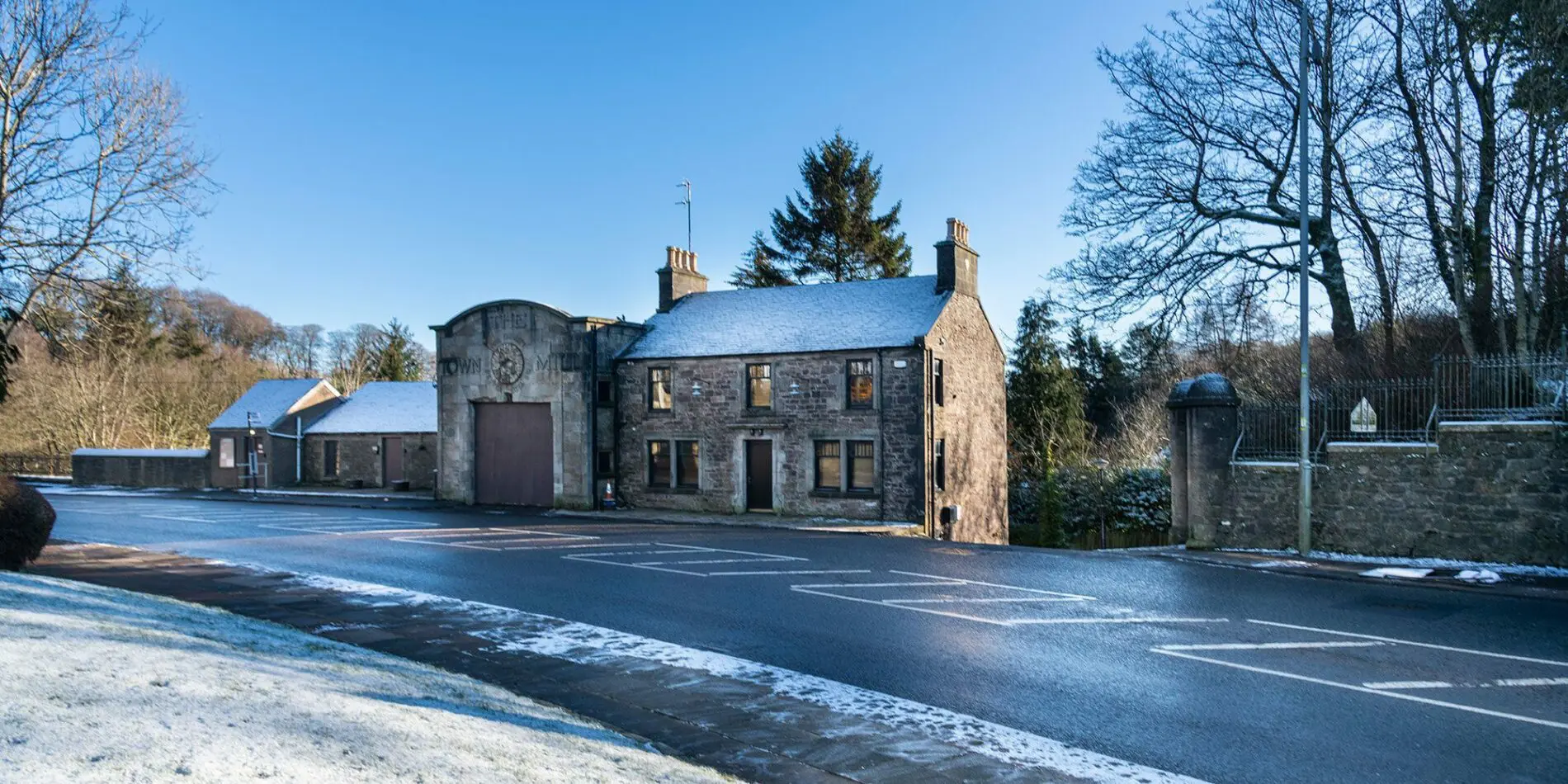
Strathaven was known for weaving and brewing and most of the Industrial Revolution passed the town by as it had no significant mineral deposits. In the 20th century, the town produced knitwear, rayon products and farm machinery.
In 2002 Strathaven became one of the first Fair Trade towns in Scotland, along with Aberfeldy.